The real reason some kids hate brushing their teeth — and it's not laziness
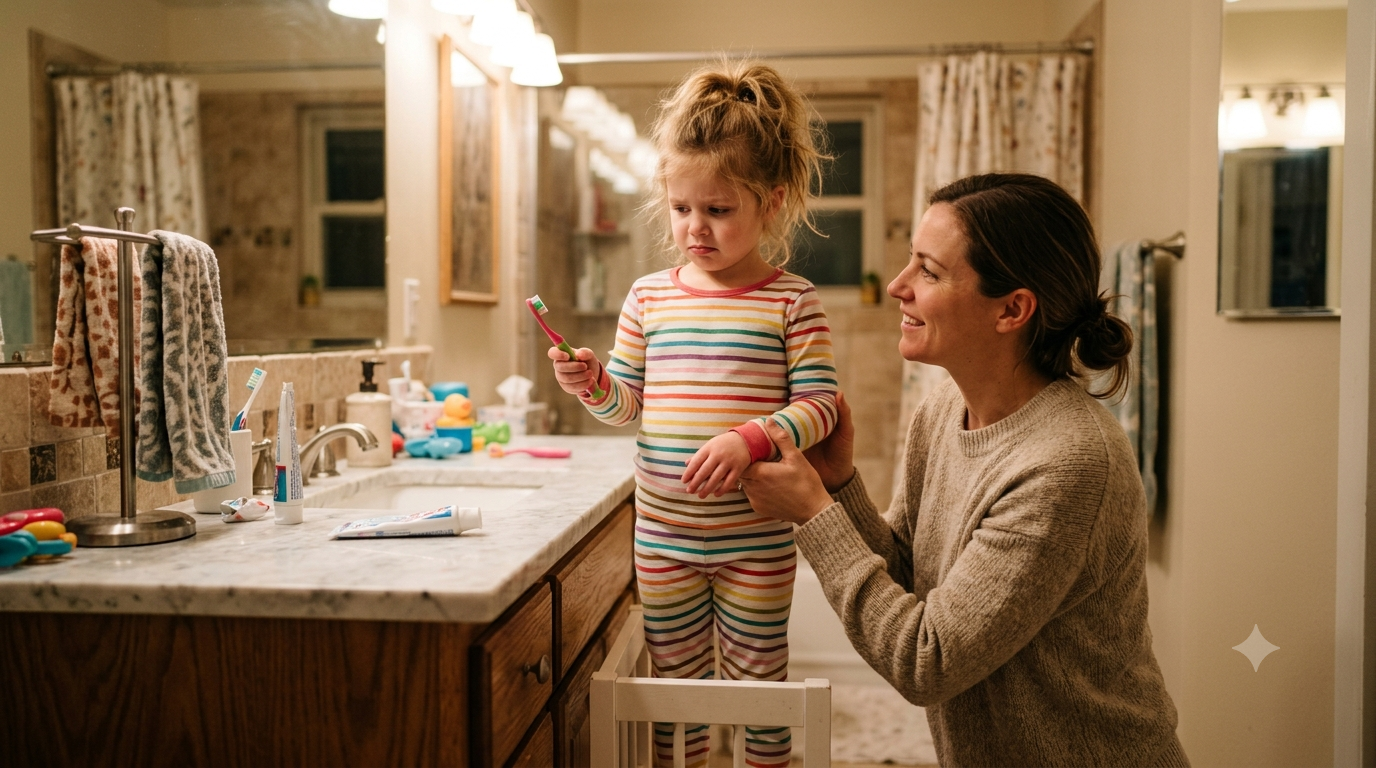
Every parent has been there. It is 8pm, the bedtime routine is almost done, and the moment you mention brushing teeth, something shifts. The negotiating starts. The dramatic sighing. The sudden discovery that the bathroom is very far away. Or — more commonly than most parents expect — genuine distress: gagging, tears, stiffening up, or outright refusal that seems completely disproportionate to what is being asked.
It is tempting to put this down to a child being difficult or trying to delay bedtime. But for a significant number of children, the resistance to toothbrushing is not about laziness or manipulation at all. There are real, identifiable reasons why brushing feels intolerable to some kids — and understanding those reasons changes how parents approach the problem entirely.
At Tooth + Tongue – Specialized Dentistry and Anesthesia in Walnut Creek, we hear about toothbrushing battles regularly. They are one of the most common things parents raise at preventive visits, and the conversation almost always reveals something more specific than a child who simply does not want to cooperate.
Sensory sensitivity: the most underrecognized cause
The single most common reason children genuinely struggle with toothbrushing — rather than simply resisting it as a delay tactic — is sensory sensitivity. This is far more prevalent than most parents realize, and it exists on a wide spectrum from mild to significant.
Sensory processing differences affect how the nervous system interprets and responds to physical input. For children with heightened oral sensory sensitivity, the inside of the mouth is one of the most sensitive environments in the body. The bristles of a toothbrush, the texture of toothpaste, the pressure of brushing against the gums, and the flavor and foam of toothpaste can all register as genuinely overwhelming — not mildly unpleasant, but intolerable.
These children are not being dramatic. Their nervous system is processing the input of toothbrushing very differently from how a less sensitive child processes it. Telling them to simply push through or get used to it is roughly equivalent to asking someone with a severe sound sensitivity to just ignore a fire alarm — technically possible, but genuinely distressing and not a long-term solution.
Signs that sensory sensitivity may be involved
Children with oral sensory sensitivity often show related patterns in other areas as well. Parents may notice:
Extreme pickiness around food textures — gagging on foods that other children eat without difficulty
Strong reactions to the texture of clothing labels, seams, or certain fabrics
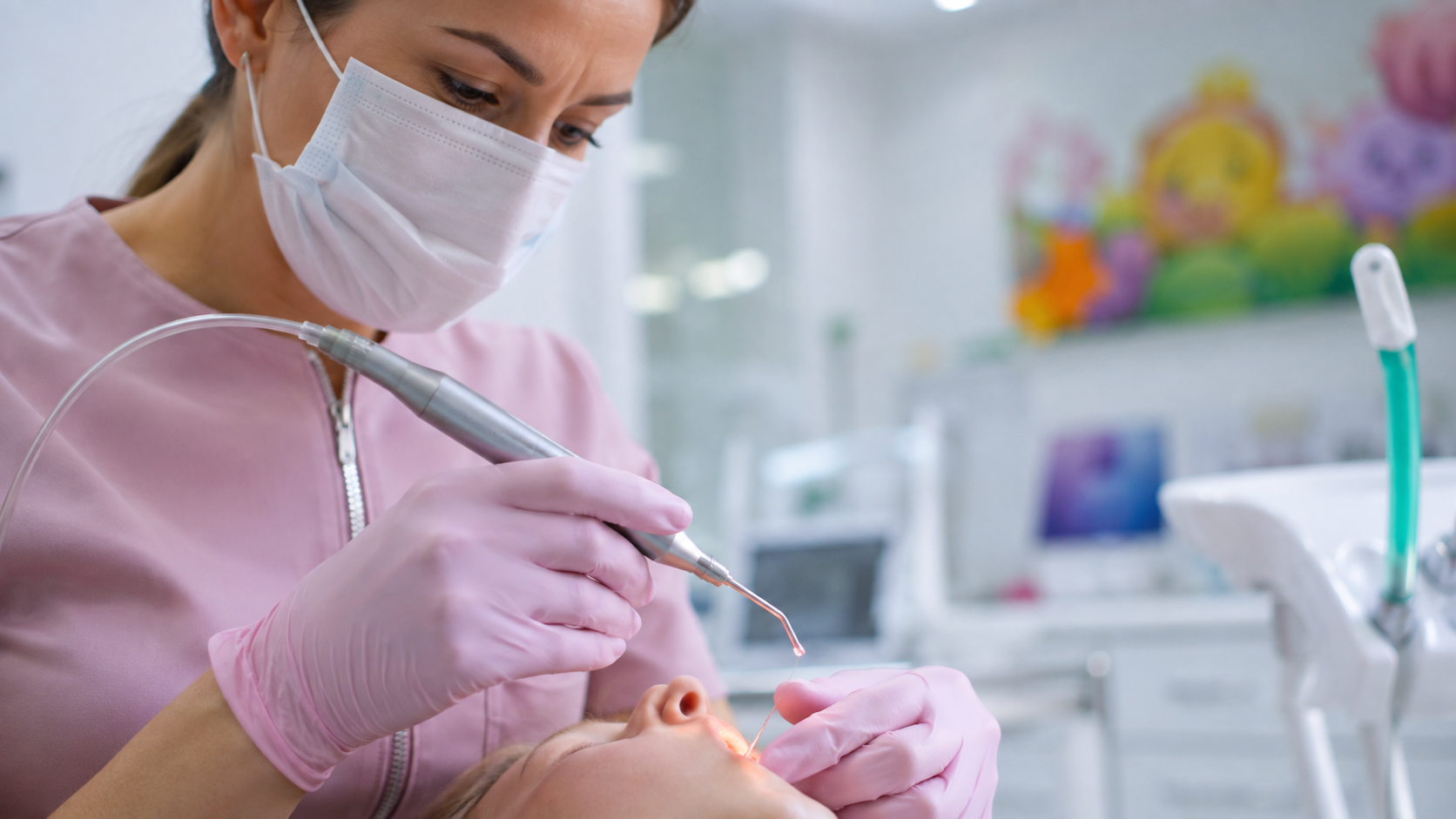
Discomfort with having their face touched, hair washed, or teeth examined at the dentist
A history of feeding difficulties as an infant, including difficulty transitioning to textures
Gagging easily during toothbrushing, particularly when the brush reaches the back teeth or tongue
If several of these descriptions fit your child, sensory sensitivity is likely a meaningful part of the toothbrushing picture — and the solution is adaptation, not pressure.
The gag reflex and its connection to oral development
A pronounced or easily triggered gag reflex is closely related to oral sensory sensitivity, but it also has its own distinct causes in some children. The gag reflex is protective by design — it prevents objects from reaching the throat before they should. But in some children, the trigger point for this reflex is positioned too far forward in the mouth, making toothbrushing — particularly of the back teeth — reliably gag-inducing.
An easily triggered gag reflex can sometimes be connected to oral structural factors, including tongue tie. When the tongue is restricted by a tight frenulum and cannot move freely within the mouth, the oral cavity feels more crowded and confined. Objects introduced into the mouth — including a toothbrush — are more likely to trigger the gag reflex because the tongue has less ability to manage and position them.
At Tooth + Tongue – Specialized Dentistry and Anesthesia in Walnut Creek, we evaluate tongue restriction as part of comprehensive pediatric dental care. In some children, a tongue tie that has never been formally assessed is quietly contributing to a pronounced gag reflex that makes toothbrushing a genuinely difficult experience.
Toothpaste: a surprisingly significant factor
Many children who are described as hating toothbrushing actually have a highly specific objection: the toothpaste. Standard children's toothpastes — even those marketed as mild or children's formulas — often contain flavoring agents, foaming agents like sodium lauryl sulfate, and artificial sweeteners that can be genuinely overwhelming for sensitive children.
Mint toothpaste in particular is a common culprit. The cooling sensation produced by menthol reads as intense oral stimulation for sensitive children and can make the entire brushing experience feel aversive even if the brushing itself would otherwise be tolerable.
Switching toothpastes is one of the simplest and most effective first steps for children who resist brushing. Unflavored, very mildly flavored, or naturally sweetened toothpastes — including many hydroxyapatite-based options — can dramatically change the experience for a sensitive child.
At Tooth + Tongue – Specialized Dentistry and Anesthesia, we discuss toothpaste options as part of preventive care conversations, including products that work well for children with oral sensitivities and that also provide meaningful enamel protection. Our team can point you toward specific products that tend to work well for children who struggle with conventional toothpastes.
The wrong tools for the child
Beyond toothpaste, the toothbrush itself matters more than most parents appreciate. A brush that is too large, too firm, or has bristle patterns that feel sharp or scratchy against the gums is going to feel uncomfortable — and a child who finds brushing uncomfortable is going to resist it.
Toothbrush selection for children should prioritize an appropriately small head for the child's mouth, very soft bristles, and a handle that is easy for the child or parent to control. Electric toothbrushes are sometimes better tolerated by sensory-sensitive children because the vibration provides consistent, predictable input rather than the variable pressure of manual brushing — though for some children the vibration is itself aversive and a manual brush is preferable.
Finding the right tool is often a matter of trial and error, and it is worth the effort. A child who finds their toothbrush comfortable is a child who brushes.
Anxiety about the dentist spilling over into home brushing
Children who have had uncomfortable dental experiences — or who are anxious about dental visits in general — sometimes develop negative associations with anything related to oral care, including toothbrushing at home. The toothbrush becomes a reminder of the dentist, and the resistance to brushing is a displacement of anxiety about dental care more broadly.
This is one of the reasons why the approach taken during dental visits matters so much for home oral hygiene as well. A child who feels genuinely safe and respected during appointments at Tooth + Tongue – Specialized Dentistry and Anesthesia in Walnut Creek is far less likely to carry negative associations from the dental office into the bathroom at home.
For children who are anxious about dental visits, we take time to build familiarity and trust before proceeding with treatment. Our approach is never rushed, never dismissive of a child's discomfort, and always adapted to the individual child's pace and needs. For children who need additional support, sedation dentistry options are available at our Walnut Creek office to ensure that dental care itself remains a positive rather than a traumatic experience.
What parents can do right now
Understanding the real reason behind toothbrushing resistance opens up practical solutions that go far beyond simply insisting more firmly.
Match the brush and paste to the child
Experiment with different toothbrush sizes, bristle textures, and handle styles. Try unflavored or very mildly flavored toothpaste and see whether the response changes. Switch from manual to electric or vice versa and observe which the child tolerates better.
Start small and build gradually
For children with significant sensory sensitivity, starting with brief, gentle brushing of just the front teeth — and gradually extending to more of the mouth over days or weeks — is more effective than insisting on a complete brush from the start. Progress built on tolerance lasts. Progress forced through distress does not.
Give the child some control
Children who feel they have no control over what is happening in their mouth are more likely to resist. Letting the child choose their toothbrush color, their toothpaste, or which teeth get brushed first gives them a small but meaningful sense of agency that reduces resistance significantly.
Raise it at the next dental visit
If toothbrushing battles are a consistent feature of your household, mention it at your child's next preventive appointment at Tooth + Tongue – Specialized Dentistry and Anesthesia. Our team can observe how your child responds during the oral examination, assess whether sensory sensitivity, tongue restriction, or other factors may be contributing, and give you specific, practical guidance based on what we actually see.
Toothbrushing does not have to be a nightly battle. With the right tools, the right approach, and an understanding of what is actually driving the resistance, most children can learn to tolerate — and eventually accept — brushing as a normal part of their day.
Ready to get started on your family's new dental journey? Contact us here!
Call (925) 949-8427
1800 San Miguel Dr.
Walnut Creek, CA 94596