Pacifier use and children's teeth: when it becomes a problem

Few parenting decisions carry as much guilt as the pacifier question. Parents know it soothes, it helps sleep, it quiets a crying infant in seconds — and they also know that at some point, it has to go. The difficulty is figuring out exactly when "some point" actually is, and what happens to a child's teeth if it goes on too long.
At Tooth + Tongue – Specialized Dentistry and Anesthesia in Walnut Creek, this is one of the most common conversations we have with families. The answer is more nuanced than most parents expect, because the pacifier is not inherently harmful — but the timing and duration of use genuinely matter for how a child's teeth and jaw develop.
Why babies suck and why pacifiers exist
Sucking is a natural reflex in newborns. It serves a clear nutritional purpose in early infancy and also offers comfort, regulation, and security. Both the American Academy of Pediatrics and the American Academy of Pediatric Dentistry acknowledge these benefits and support pacifier use in the early months of life.
In fact, the AAPD notes that pacifiers during the first months of life may help premature infants develop the sucking reflex, provide comfort during minor procedures, and may be associated with a reduced risk of sudden infant death syndrome during sleep. The AAPD also points out a practical advantage over thumb sucking: a pacifier habit is generally easier to break at an earlier age, which is why it is preferred over finger or thumb habits when parents are weighing their options.
The important distinction is between pacifier use that is age-appropriate and use that extends significantly beyond recommended developmental windows.
What prolonged pacifier use actually does to teeth
A pacifier is not a passive object. Every time a child sucks on one, pressure is applied to the teeth, the upper jaw, and the developing palate. When this happens occasionally and briefly in infancy, the effects are minimal and often self-correcting. When it continues for years, the cumulative effect on oral structures becomes meaningful.
Open bite
One of the most common results of extended pacifier use is an anterior open bite — a condition where the front teeth do not come together when the mouth is closed. This happens because prolonged sucking pushes the upper front teeth outward and the lower front teeth inward, leaving a gap between them. An open bite affects chewing efficiency and can create compensatory habits like tongue thrusting.
Posterior crossbite
The pressure of a pacifier can also narrow the upper jaw over time, causing the back teeth to meet incorrectly. This is called a posterior crossbite and may require orthodontic treatment to correct. According to AAPD research, the development of a posterior crossbite is significant enough that they recommend evaluating the transverse relationship of teeth before age three in children who use pacifiers.
Jaw development and palate shape
Repeated pressure in the centre of the upper jaw can alter the shape of the palate — raising its arch and narrowing the available space for the tongue. This change affects more than tooth alignment. A high, narrow palate can reduce the space available for nasal breathing and contribute to oral breathing patterns — something families in Walnut Creek increasingly understand is connected to sleep quality and overall development.
The American Association of Orthodontists notes that some bone changes from sustained sucking habits can become visible as early as 18 months of age.
Does the shape of the pacifier matter?
Many parents choose pacifiers marketed as "orthodontic" in the hope that these cause less dental impact. The honest answer, based on current evidence, is that no pacifier shape has been conclusively proven to prevent malocclusion. What matters far more is the duration and intensity of use. A child who uses any pacifier constantly for four years is at greater risk than one who uses an orthodontic-style pacifier briefly until age one.
When should a child stop using a pacifier?
The AAPD recommends that non-nutritive sucking habits — including pacifier use — be discontinued by 36 months of age. They emphasize that parents should establish a dental home by 12 months to receive guidance on this transition before habits become difficult to break.
What the timeline looks like in practice
In the first six months of life, pacifier use carries the clearest benefits and the least dental risk. Baby teeth are either just erupting or not yet present, and the soft tissues are highly adaptive.
Between 12 and 18 months, the risk profile begins to shift. The AAPD notes that pacifier use beyond 18 months can begin to influence the developing orofacial structure, leading to anterior open bite, posterior crossbite, and changes in jaw alignment. The AAP additionally points to an increased risk of ear infections with continued use after 12 months.
By age three, if the pacifier habit has not resolved on its own or with gentle guidance, a professional evaluation is recommended. The percentage of children with open bite increases significantly with each year of use that extends beyond this point.
The difference between occasional and constant use
Frequency and intensity matter alongside timing. A child who uses a pacifier only at sleep times is in a very different situation than one who has it throughout the day. The AAPD's guidance acknowledges that duration of use has a greater effect than frequency alone, but constant daytime use significantly compounds the cumulative pressure on developing structures.
If a parent can hear sucking from across the room, that intensity level is worth discussing with a pediatric dentist.
How to wean gently and effectively
The goal is never to create anxiety or distress around the pacifier. Pediatric dentistry and developmental psychology are in agreement on this point. Abrupt removal without preparation tends to create more stress than gradual, positive transitions.
Practical approaches that work
Limiting pacifier use progressively — first to sleep times only, then to naps, then phasing out entirely — helps children adjust emotionally while reducing oral pressure during waking hours. Praising steps forward rather than highlighting setbacks supports the process.
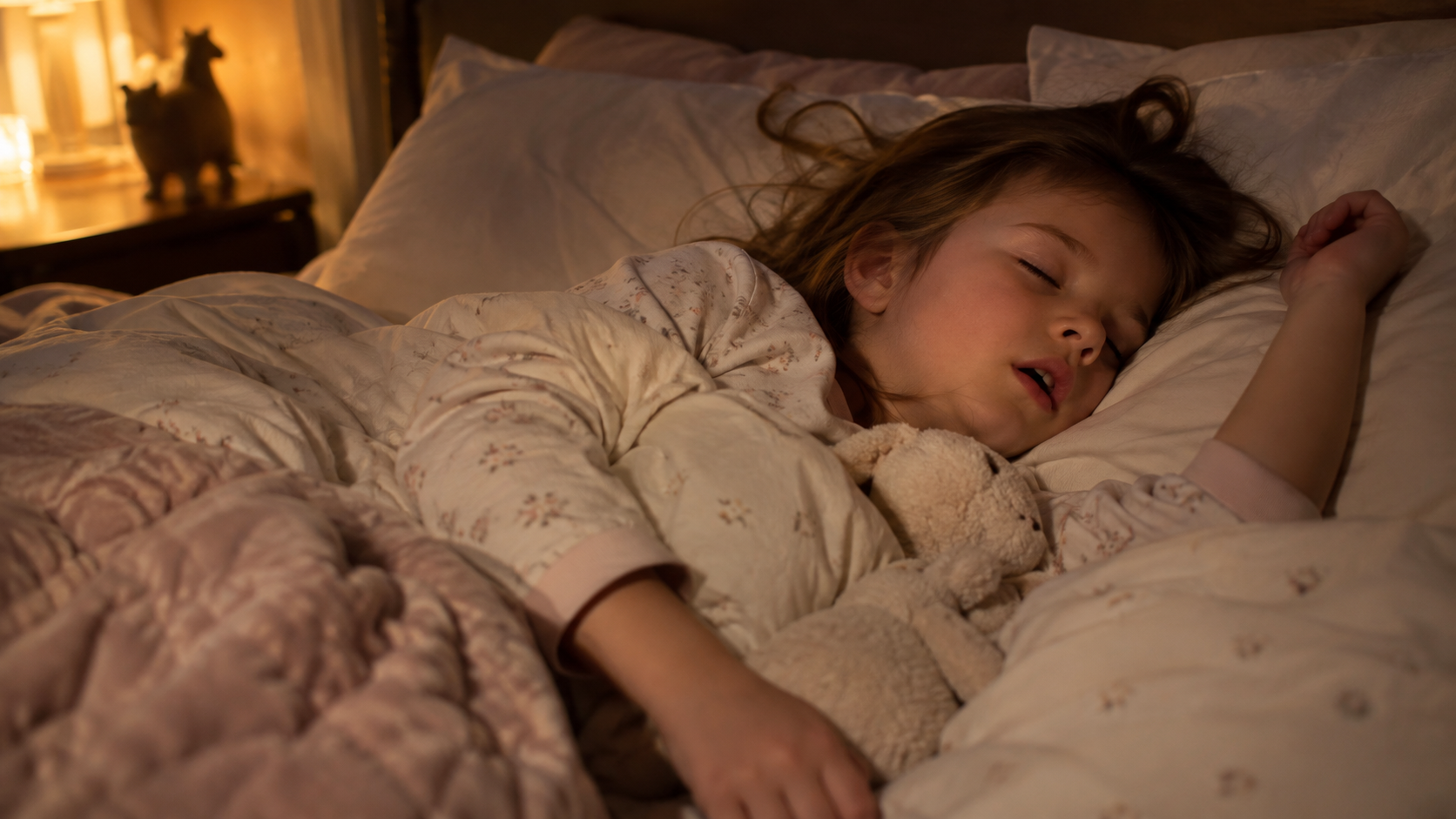
Some families find success by introducing a transitional comfort object such as a soft toy or blanket that provides the same sense of security. Around age one, children are developmentally ready to begin forming attachments to these kinds of objects, which makes it a natural window for beginning the transition.
If gentle approaches over several months are not resulting in progress, a pediatric dentist can offer additional guidance tailored to the child's developmental stage and specific oral situation.
When to bring it up at a dental visit
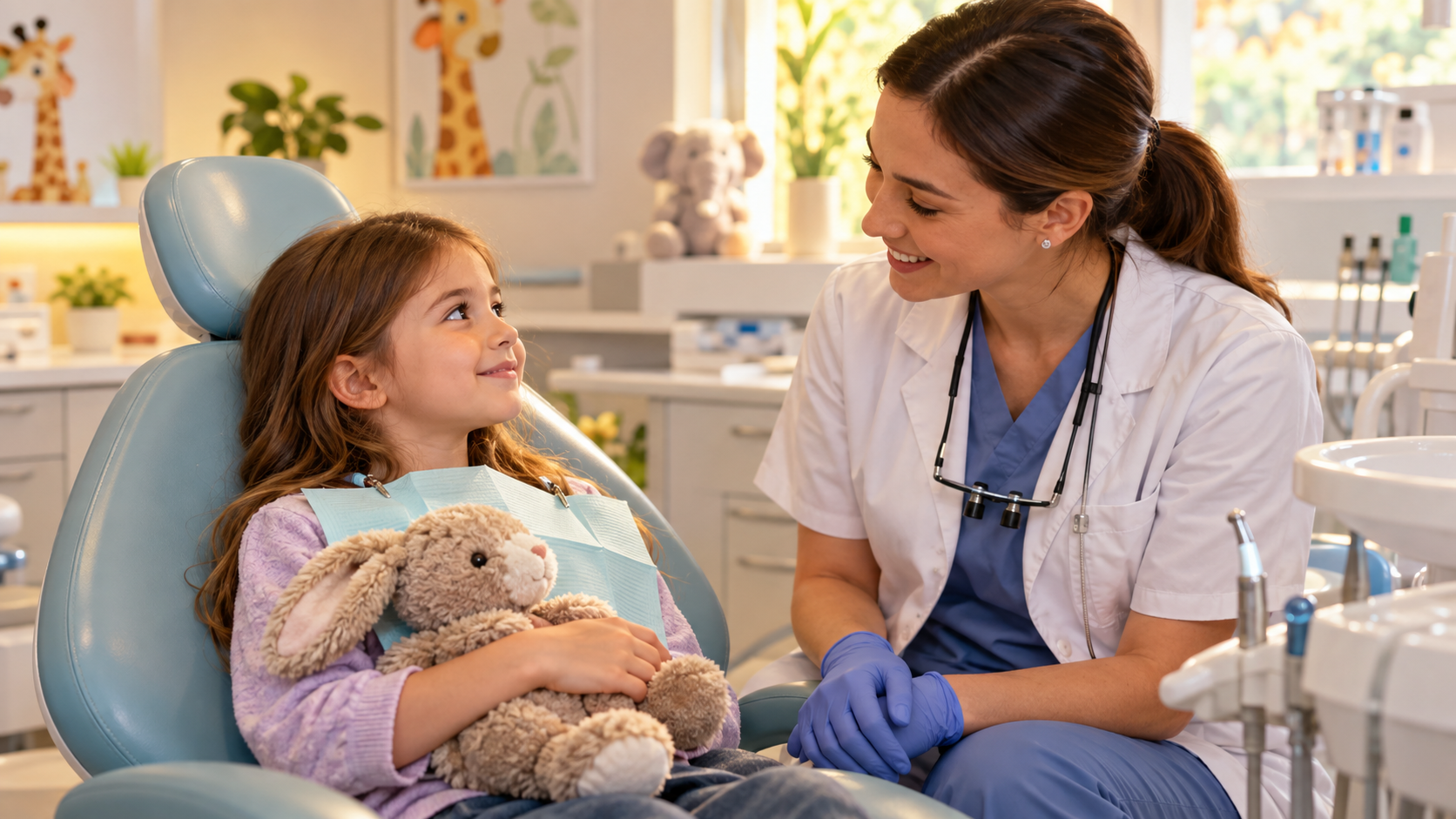
At Tooth + Tongue – Specialized Dentistry and Anesthesia, pacifier habits are something we discuss routinely during checkups for infants and toddlers in Walnut Creek. We look at how the teeth are meeting, whether the palate is developing with adequate width, and whether the child's breathing patterns suggest any early airway considerations.
If your child is still using a pacifier regularly past 18 months, it is worth raising at their next visit. If they are approaching age three with no signs of stopping, an evaluation is appropriate to check whether any dental changes have begun and to discuss the most effective weaning approach for your child.
The pacifier is not the enemy — but understanding its limits helps parents make more confident decisions at every stage.
Ready to get started on your family's new dental journey? Contact us here!
Call (925) 949 - 8427
1800 San Miguel Dr. Walnut Creek, CA 94596